


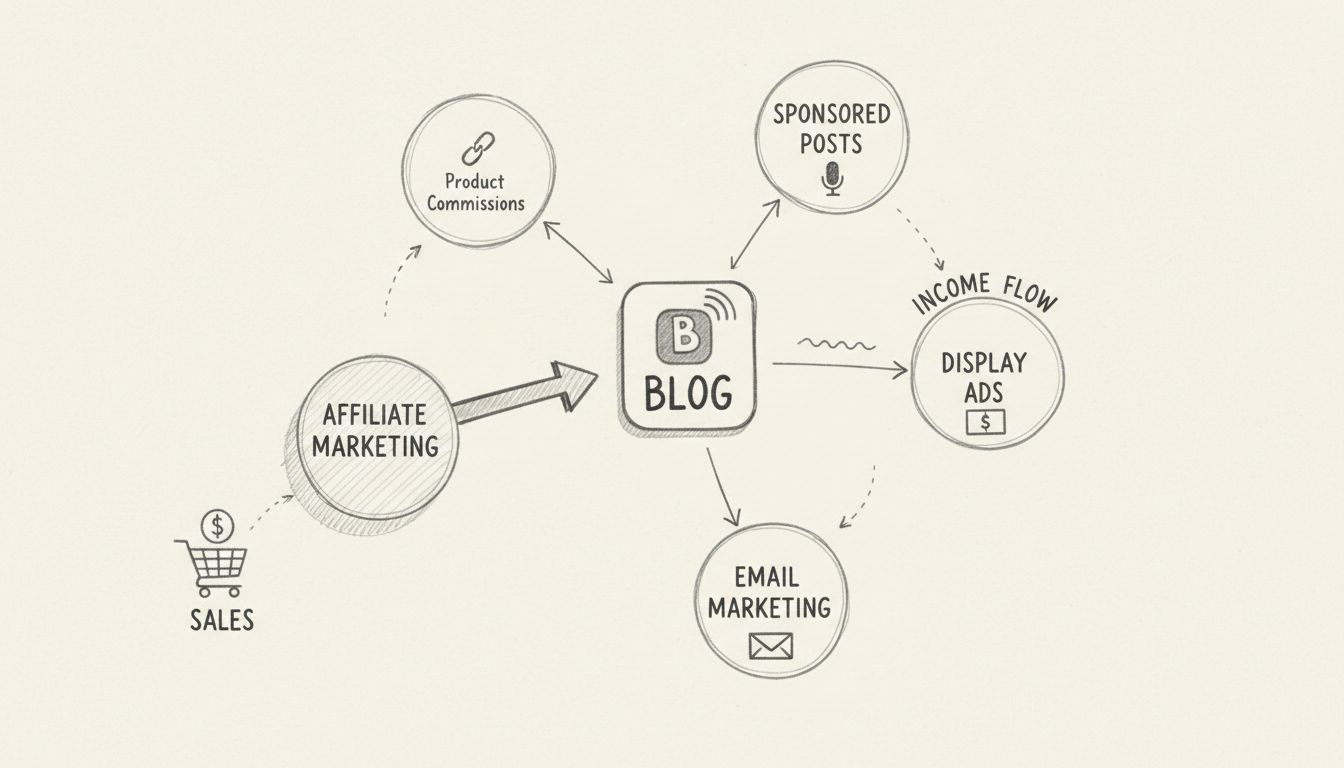
How to Monetize a Blog with Affiliate Marketing
Learn proven strategies to monetize your blog with affiliate marketing. Discover commission structures, traffic optimization, and best practices to maximize ear...
12 min read
Website monetization means earning revenue from a website through affiliate commissions, advertising, products, services or subscriptions. In an affiliate model, a publisher receives compensation for qualifying referred actions. Profit depends on approved revenue after content, traffic, software and other costs.
Website monetization means earning revenue from a website through affiliate commissions, advertising, products, services or subscriptions. In an affiliate model, a publisher receives compensation for qualifying referred actions. Profit depends on approved revenue after content, traffic, software and other costs.
The answer depends on who you are — a publisher, an advertiser, or an affiliate program manager — and what you bring to the table: audience size, content type, niche authority, or transaction volume.
On this page
Every monetization method follows the same basic logic: a website attracts visitors, those visitors perform an action (viewing, clicking, buying, subscribing), and the site owner earns money from that action. What changes is who pays and what triggers the payment.
| Monetization Method | Who Pays | Revenue Trigger | Typical Earnings Range |
|---|---|---|---|
| Display advertising | Advertisers (via ad networks) | Impression (CPM) or click (CPC) | — |
| Affiliate marketing | Merchants / brands | Sale or lead (CPA) | — |
| Sponsored content | Brands directly | Flat fee per post | — |
| Digital products | Customers | Direct purchase | — |
| Paid memberships | Subscribers | Recurring charge | — |
| Programmatic / post-transaction ads | Advertisers via DSPs | CPM, often premium | 2–5× standard display CPM |
These methods are not mutually exclusive. A review site might run display ads, link to products via affiliate programs, and sell a premium comparison spreadsheet — all on the same page.

Set up advanced tracking in minutes. No credit card required.
You can monetize a website the moment it goes live. The real question is whether it will earn meaningful revenue.
Display advertising remains the most widely used website monetization method. It works by placing banner ads, video ads, or native ad units on your pages and earning revenue when visitors see (impressions) or click (clicks) those ads.
CPM rates vary dramatically by niche, geography, and season.
Google AdSense is the easiest place to start, but it rarely pays the best rates. Once a site reaches 50,000+ monthly sessions, publishers typically graduate to a full programmatic setup — either through a managed ad network (Mediavine, Raptive) or by working with a header-bidding partner that lets multiple demand sources compete for each impression.
Post-transaction advertising, where brands pay to appear on confirmation and thank-you pages, is an emerging premium inventory type.
Be the first to know about new features and product updates.
Affiliate marketing lets you earn a commission by promoting other companies’ products or services. When a visitor clicks your unique affiliate link and completes a purchase (or sometimes just a sign-up), you earn a percentage of the sale.
A website reviewing project management tools includes affiliate links to three SaaS platforms. One platform pays a 30% recurring commission. If a reader signs up for a $29/month plan through that link and stays for 12 months, the publisher earns roughly $104 from that single conversion.
The best programs combine competitive commission rates with reliable tracking, prompt payments, and a dashboard that gives affiliates visibility into their performance.
Digital products let you earn without inventory, shipping, or manufacturing. Each sale is nearly pure profit, and the product is delivered instantly.
The trade-off: you need to build enough authority and trust that visitors are willing to pay. This typically requires a body of free content that demonstrates expertise before asking for the sale.
Brands pay you to publish articles, videos, or social posts that feature their product or message. The key requirement: your audience must be valuable to the sponsor — either by size, by demographic fit, or by niche authority.
Brands want to see not just impressions but engagement metrics, click-through rates, and sometimes affiliate-style conversions. Publishers who can show both reach and conversion data command higher rates.
A membership model gates premium content, community access, or tools behind a recurring paywall. Platforms like Patreon, Substack, and Memberful make this straightforward to implement.
Examples of membership offerings:
Yes. Free website builders (Wix, WordPress.com free tier, Google Sites) allow basic monetization, though with limitations. Free plans often restrict ad placement, custom affiliate links, or e-commerce features.
Absolutely. Many successful sites earn entirely without display ads. A portfolio of monetization methods that don’t rely on AdSense includes:
The direct costs are low. Joining AdSense is free. Most affiliate programs are free to join. Setting up a Stripe account to sell digital products costs nothing upfront.
The most common mistake is overspending on tools before validating that the site can attract an audience.
There is no single threshold — it depends entirely on the method:
AI tools are reshaping how publishers create and monetize content, but the impact is nuanced:
Any site with consistent, engaged traffic can be monetized. The methods that work best depend on the site type:
| Site Type | Best Monetization Methods |
|---|---|
| Blog / Content site | Display ads, affiliate marketing, sponsored content |
| E-commerce site | Direct product sales, post-transaction ads, affiliate cross-sells |
| SaaS / Tool site | Paid subscriptions, premium tiers, affiliate partnerships |
| Portfolio / Service site | Lead generation, consulting bookings |
| Community / Forum | Paid memberships, sponsored placements, donations |
| News / Media site | Programmatic display, subscriptions, sponsored content |
Sites with no traffic, sites with purely scraped or AI-spam content, and sites in categories prohibited by ad networks (adult content, illegal goods, hate speech, copyright-infringing material) will struggle or be rejected outright. Most major ad networks and affiliate programs also require sites to have a privacy policy, terms of service, and clear ownership information.
Nearly all of them.
The risk is over-monetization: too many ads, too many affiliate links, and intrusive pop-ups degrade user experience, increase bounce rates, and hurt SEO rankings. Google’s page experience guidelines explicitly penalize sites with excessive or intrusive ads. The best publishers prioritize user experience first and fit monetization around it — not the other way around.
Unlock proven monetization strategies with Post Affiliate Pro. Maximize your website's earning potential today.
Learn proven strategies to monetize your blog with affiliate marketing. Discover commission structures, traffic optimization, and best practices to maximize ear...
Money site is a website owned by a merchant, specifically designed to generate revenue. Learn about money sites, their characteristics, monetization strategies,...
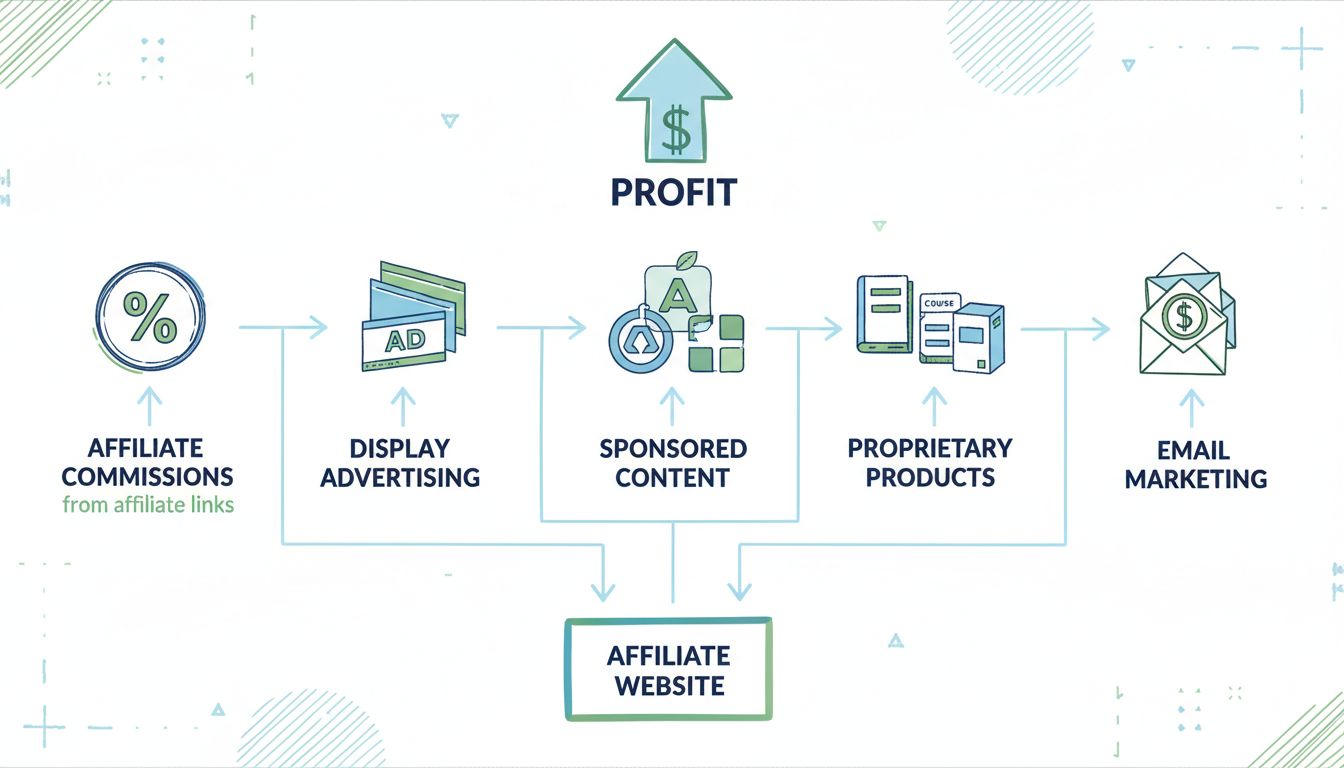
Discover how affiliate sites generate revenue through commissions, ads, and multiple monetization strategies. Learn the complete affiliate marketing business mo...
Join our community of happy clients and provide excellent customer support with Post Affiliate Pro.




Cookie Consent
We use cookies to enhance your browsing experience and analyze our traffic. See our privacy policy.