



Content Optimization: Rank Higher & Convert More
Master content optimization with our comprehensive guide. Learn SEO strategies, keyword research, on-page optimization, and conversion tactics.
9 min read
Optimization in affiliate marketing is the systematic process of analyzing campaign data, partner performance, and conversion paths to improve efficiency and maximize return on investment.
On this page
Optimization in affiliate marketing is the systematic process of analyzing campaign data, partner performance, and conversion paths to improve efficiency and maximize return on investment. It spans every stage of the affiliate funnel: traffic acquisition, click-through behavior, landing-page experience, conversion, and commission payout.
Unlike general marketing optimization, affiliate optimization must account for a multi-party relationship. The publisher controls the pre-click experience. The advertiser controls the post-click experience. Both sides influence the outcome, and optimizing only one side leaves money on the table.
At its core, optimization answers one question: given the same traffic volume, can you generate more conversions and more profit? When the answer is yes, the program is working. When the answer is no, optimization identifies where the breakdown occurs and what to adjust.

Set up advanced tracking in minutes. No credit card required.
Those numbers attract competition, and competition erodes margins for anyone who treats their program as a set-it-and-forget-it asset.
One of the most common mistakes in affiliate marketing content is conflating publisher-side and advertiser-side optimization. They share the same goal — more conversions — but operate on different parts of the funnel with different tools.
| Dimension | Publisher (Affiliate) | Advertiser (Merchant / Program Manager) |
|---|---|---|
| Primary goal | Maximize earnings per click (EPC) | Maximize program-level ROI |
| Controls | Content, traffic source, offer selection, pre-click messaging | Commission structure, landing pages, affiliate recruitment, marketing materials |
| Key metrics | CTR, conversion rate, EPC, cost per click | Program conversion rate, affiliate retention, customer acquisition cost, fraud rate |
| Optimization levers | A/B test headlines and CTAs, match offers to audience intent, segment traffic by source | Tier commissions by performance, prune low-performing partners, improve landing-page speed |
| Risk if ignored | High traffic with low conversions; wasted ad spend | High affiliate churn; budget spent on partners who never convert |
A publisher can optimize their content perfectly, but if the advertiser’s landing page loads in six seconds on mobile, conversions will still suffer. Conversely, an advertiser with a flawless checkout flow will see poor results if their affiliates use misleading pre-click messaging that attracts unqualified visitors. Effective optimization aligns both sides.
Be the first to know about new features and product updates.
Optimization without measurement is guesswork. The following metrics form the foundation of any optimization effort:
Tracking these metrics in isolation is not enough. Optimization requires comparing them across time periods, traffic sources, individual affiliates, and specific offers to identify patterns.
Vague goals produce vague results. Each objective needs a corresponding KPI that can be measured week over week.
Not all affiliates contribute equally. Identify your top performers and understand what makes them effective. At the same time, flag partners who drive clicks but no conversions, or whose traffic quality metrics are consistently below average. Pruning low performers reallocates budget and attention to where they produce results.
Flat commission rates treat all affiliates the same, which means they reward mediocrity and excellence equally. Tiered structures — where affiliates earn higher rates after reaching volume or conversion thresholds — incentivize performance. Performance bonuses for top partners during peak sales periods add further motivation.
Affiliates need updated banners, product feeds, email templates, and landing-page assets. Materials that look dated or generic reduce conversion potential. Segment assets by affiliate type: a coupon site needs different creative than a content publisher or a social media influencer.
Regular webinars, one-on-one coaching, and a responsive affiliate manager improve partner performance measurably. Affiliates who understand the product deeply sell it more effectively. A shared Slack channel, monthly newsletter, or dedicated portal keeps communication flowing.
Manual tracking does not scale. Affiliate software automates click tracking, commission calculation, partner onboarding, and performance reporting. Real-time dashboards let program managers spot underperforming segments before they drain budget. Automation also reduces errors in payment processing, which directly improves affiliate trust and retention.
A high commission rate means nothing if the product does not solve a problem your audience actually has. Review which offers convert best for each content category and traffic source. Replace weak audience-offer combinations with stronger ones. Measure conversion rate and EPC per offer, not just total clicks.
The headline, call-to-action, and surrounding content set expectations. If your messaging promises something the landing page does not deliver, CTR may be high but conversion will be low. Test variations of headlines, button text, and content framing. Clear, honest pre-qualification — explaining who the offer is for, what it costs, and any limitations — tends to improve conversion even if it slightly reduces CTR.
Search traffic, social media referrals, email clicks, and paid ads produce different user behavior. A visitor arriving from a “best running shoes” search query has higher purchase intent than someone scrolling a general lifestyle feed. Segment performance data by source and optimize each channel separately rather than applying one strategy everywhere.
Small changes in button color, form length, headline wording, or page layout can shift conversion rates by double-digit percentages. Run controlled A/B tests with a single variable change at a time. Let tests run until results reach statistical significance before implementing changes.
Organic search traffic converts well because it captures users with active intent. Target long-tail, purchase-intent keywords. Structure content with clear headings. Build backlinks from relevant sites. Avoid thin content pages that exist only to host affiliate links — search engines demote these, and users ignore them.
In affiliate marketing, this manifests in several ways:
The rule is not a law of nature — the exact split varies — but it is a useful heuristic. If you are not seeing an 80/20 pattern in your data, you may be spreading resources too evenly across too many affiliates, offers, or channels.
Affiliate marketing optimization has evolved. Some tactics that worked five years ago now produce diminishing returns or actively harm performance.
| Current Best Practice (2026) | Obsolete or Declining Tactic |
|---|---|
| Data-driven offer matching based on conversion analytics | Promoting any high-commission offer regardless of audience fit |
| Tiered, performance-based commission structures | Flat-rate commissions for all affiliates |
| Deep linking to specific product pages | Sending all traffic to a generic homepage |
| First-party data and server-side tracking | Reliance on third-party cookies alone |
| AI-assisted content that adds genuine analysis or comparison | Thin, auto-generated comparison pages with no original insight |
| Building email lists and owned audiences | Renting attention entirely through paid ads |
| Multi-touch attribution modeling | Last-click attribution as the sole success metric |
| Regular A/B testing with statistical validation | Changing creatives based on gut feeling after 50 clicks |
The common thread: current best practices are specific, measured, and audience-aware. Obsolete practices are generic, unmeasured, and volume-obsessed.
Optimization has boundaries. Understanding what it cannot fix prevents wasted effort:
The most effective optimization approach is methodical: isolate one variable, test it against a control, measure the outcome, and keep what improves the economics. Speed matters less than rigor.
Discover strategies and proven tools to optimize your affiliate marketing, boost conversions, and grow your revenue.
Master content optimization with our comprehensive guide. Learn SEO strategies, keyword research, on-page optimization, and conversion tactics.
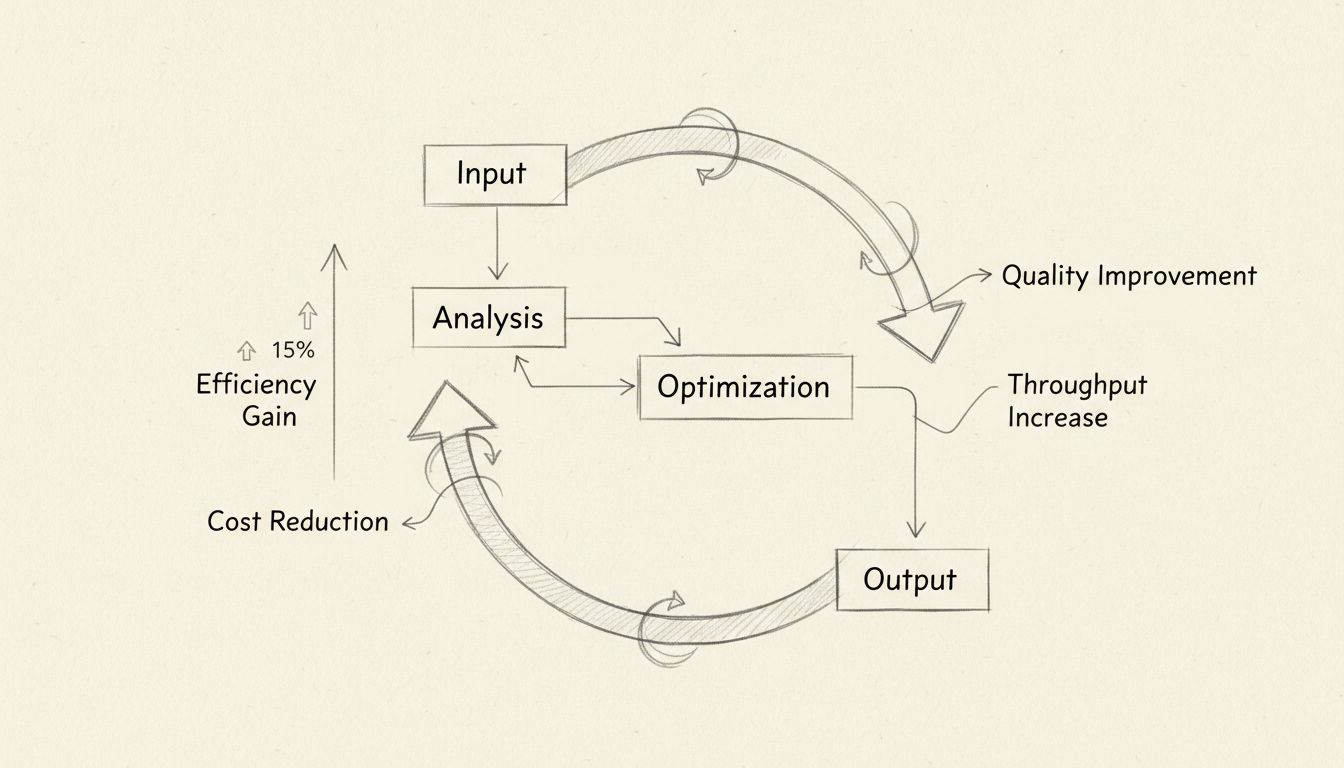
Discover why optimization is crucial for business success. Learn how optimization improves efficiency, reduces costs, and drives innovation. Expert insights for...

The data from your affiliate campaigns is a goldmine of information. actionable ways to optimize your campaigns, including traffic, content, offers
Join our community of happy clients and provide excellent customer support with Post Affiliate Pro.




Cookie Consent
We use cookies to enhance your browsing experience and analyze our traffic. See our privacy policy.