


Double Opt-In
Double opt-in confirms a subscriber's address via a verification link before they join a list.
10 min read
EmailMarketing
Compliance
+3
Verified opt-in — also called confirmed opt-in (COI) or double opt-in — is a subscription method that requires a person to complete two distinct steps before they are added to a mailing list.
Verified opt-in — also called confirmed opt-in (COI) or double opt-in — is a subscription method that requires a person to complete two distinct steps before they are added to a mailing list. First, they submit their email address through a signup form. Second, they click a unique confirmation link sent to that address. Only after that second step does the subscription become active.
The verified opt-in process follows a consistent three-stage flow across all email marketing platforms:
If the link is never clicked, the address stays in a pending state.
A confirmation email that drives high verification rates includes these elements:

Set up advanced tracking in minutes. No credit card required.
The most immediate benefit is a cleaner list. Without verification, signup forms attract:
Each invalid address that receives a campaign degrades sender reputation. Internet service providers (ISPs) track bounce rates, spam complaints, and engagement signals to decide whether future mail lands in the inbox or the spam folder. Verified opt-in eliminates invalid addresses at the source.
Verified opt-in creates an audit trail. The system records the timestamp, IP address, and token exchange for every confirmation. If a recipient later claims they never signed up — or an ISP questions the sender’s practices — that record serves as proof of consent.
Under CASL (Canada), express consent is mandatory for commercial electronic messages, and a confirmation record is the gold standard for proving it.
Subscribers who complete both steps have demonstrated intent. They opened the confirmation email. They clicked the link. That behavior correlates with higher open rates, click-through rates, and lower unsubscribe rates across the lifetime of the subscription.
| Factor | Single Opt-In | Verified Opt-In |
|---|---|---|
| Steps required | 1 (form submit) | 2 (form submit + link click) |
| List growth speed | Faster | Slower — some users won’t confirm |
| Bounce rate | Higher — typos and fakes enter freely | Lower — only working, verified addresses |
| Spam complaint risk | Higher — no proof the owner consented | Lower — confirmation record exists |
| — | Weaker — may not meet “unambiguous” standard | Stronger — documented, affirmative consent |
| Best for | High-volume, low-risk lists (e.g., retail receipts) | Long-term engagement, affiliate programs, regulated industries |
Single opt-in is not obsolete. It remains appropriate for transactional contexts: purchase receipts, shipping confirmations, account alerts. In those cases the business relationship already exists. For marketing newsletters — especially in affiliate marketing, where sender reputation directly affects deliverability and partner trust — verified opt-in is the safer choice.
Be the first to know about new features and product updates.
Affiliate program managers, advertisers, and publishers each have a stake in verified opt-in.
An affiliate program’s email list is a business asset. If that list accumulates invalid addresses, spam complaints rise and inbox placement falls — which means fewer recipients see promotional emails, fewer click through to affiliate offers, and commission revenue drops. Verified opt-in protects that asset.
Program managers who run affiliate newsletters should also verify opt-in because:
Affiliate marketers who build email lists to promote offers face the same deliverability calculus. A verified opt-in list may grow more slowly, but each subscriber is worth more in lifetime engagement. Practical steps for affiliates:
It reduces gross signups but preserves net subscribers — real people who want the content. The metric that matters is engaged reach, not raw count.
Spamhaus and AWeber both use “verified opt-in” to stress the verifiability of the consent record.
It does not. CAN-SPAM requires an unsubscribe mechanism, accurate header information, and truthful subject lines. It does not mandate confirmation. However, verified opt-in is the strongest defense if a complaint is filed, because the sender can produce the confirmation record.
The same principle applies to SMS and text message marketing, with stricter rules. In the United States, the Telephone Consumer Protection Act (TCPA) requires prior express written consent for marketing texts. A verified opt-in flow for SMS typically works like this:
Most major ESPs offer verified opt-in as a toggle setting. The setup typically involves:
Platforms like Campaign Monitor, AWeber, GetResponse, Omnisend, and Klaviyo all support verified opt-in, with varying degrees of customization.
Implement verified opt-in to improve your email list quality, increase engagement, and ensure compliance with legal regulations. Discover top affiliate marketing tools and best practices.
Double opt-in confirms a subscriber's address via a verification link before they join a list.
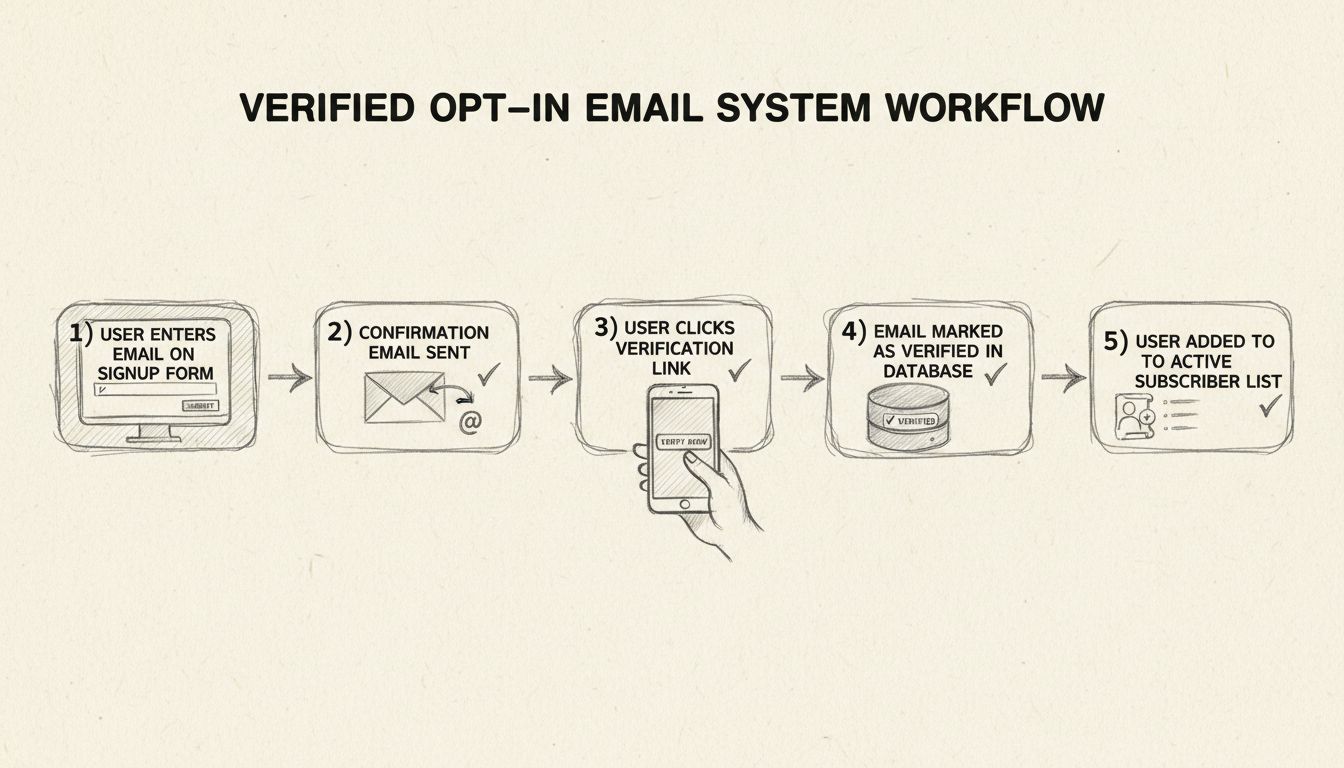
Learn how to implement a verified opt-in (double opt-in) email system to validate subscribers, improve deliverability, ensure regulatory compliance, and build a...
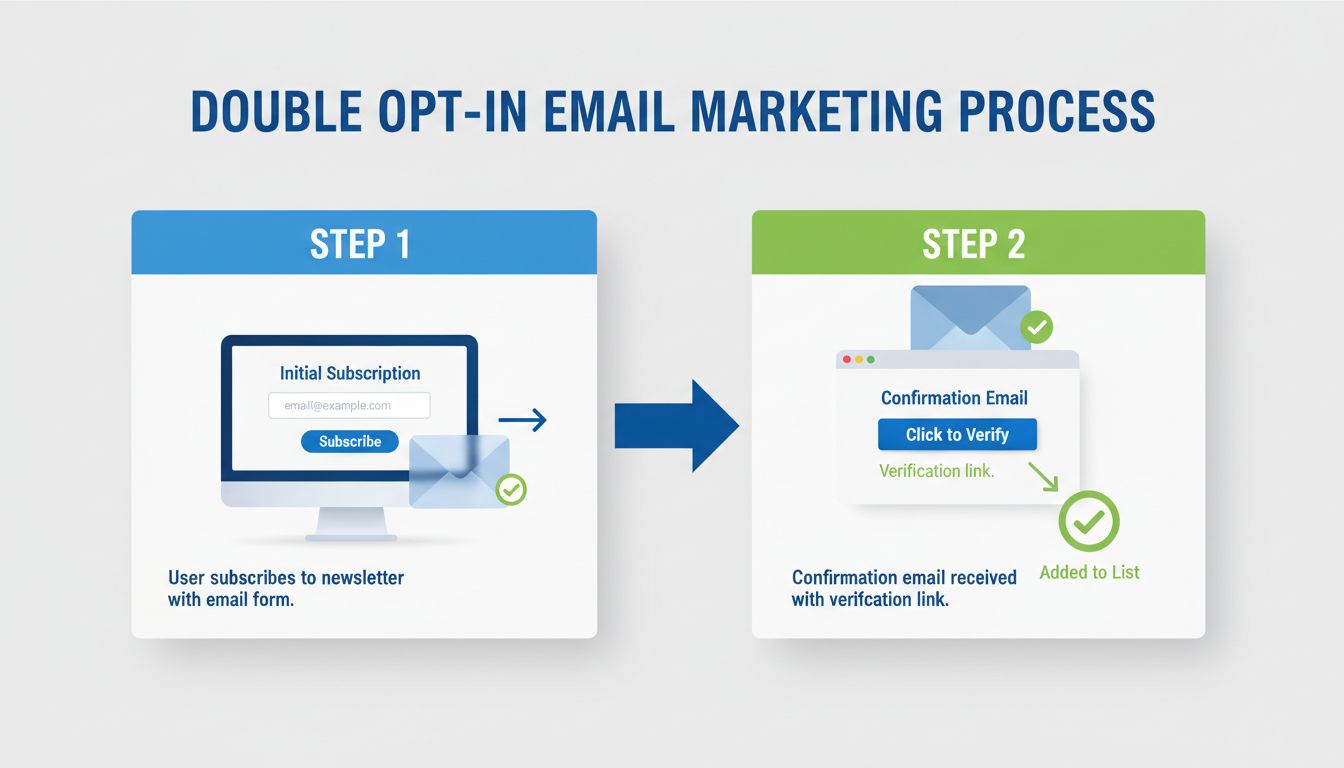
Learn why double opt-in is critical for email marketing compliance, engagement, and sender reputation. Understand GDPR requirements, legal protections, and best...
Join our community of happy clients and provide excellent customer support with Post Affiliate Pro.



Cookie Consent
We use cookies to enhance your browsing experience and analyze our traffic. See our privacy policy.