


What is a Social Media Strategy: Guide Affiliate Marketers
what a social media strategy is and how to create one that drives affiliate sales. proven tactics for content planning, audience engagement
10 min read

Learn how to build a complete, effective marketing strategy in just 3 minutes with GaryVee. Discover actionable tips on audience segmentation, choosing platforms, and optimizing your affiliate marketing campaigns.
When it comes to affiliate marketing , understanding and defining your target audience is paramount. Imagine segmenting your consumer base not into a mere three categories, but into 40 to 50 distinct consumer cohorts. This precision allows you to tailor your marketing efforts with pinpoint accuracy. Consider segmenting by age, location, interests, and income. For instance, targeting 18 to 22-year-old males in Bangladesh who are into Esports, or 40 to 45-year-old fashion-forward moms in Malaysia. This granularity ensures your affiliate marketing campaigns reach the right audience.
Once your audience is defined, the next step is choosing the appropriate platforms for your campaigns. In the digital world, platforms like Instagram, Facebook, Twitter, and TikTok are indispensable. However, the decision on where to allocate your marketing efforts should be strategic. Understand the unique offerings of each platform and align them with your marketing objectives. For example, Facebook Reels might be currently underpriced, offering a cost-effective way to boost your affiliate marketing reach.
With your audience and platforms defined, it’s time to implement your strategy. This involves creating a framework for your creative and strategic teams. Start posting content tailored to your segmented audiences, taking advantage of platform-specific features. An essential part of this process is having a Post Creative Strategist (PCS) who evaluates qualitative feedback and analytics to refine your strategy continuously.
Affiliate marketing is not static; it requires constant analysis and adaptation. Use both qualitative and quantitative data to make your strategy smarter. If your data indicates that certain consumer cohorts, such as Malaysian moms aged 40 to 45, are not responding, it may be time to pivot. Conversely, discovering that female gamers aged 13 to 15 in Indonesia are highly engaged can lead to the creation of new cohorts, doubling down on effective strategies.
Experience the power of Post Affiliate Pro with a 30-day free trial. Streamline your affiliate program, access detailed reports, and optimize your campaigns for success.
what a social media strategy is and how to create one that drives affiliate sales. proven tactics for content planning, audience engagement
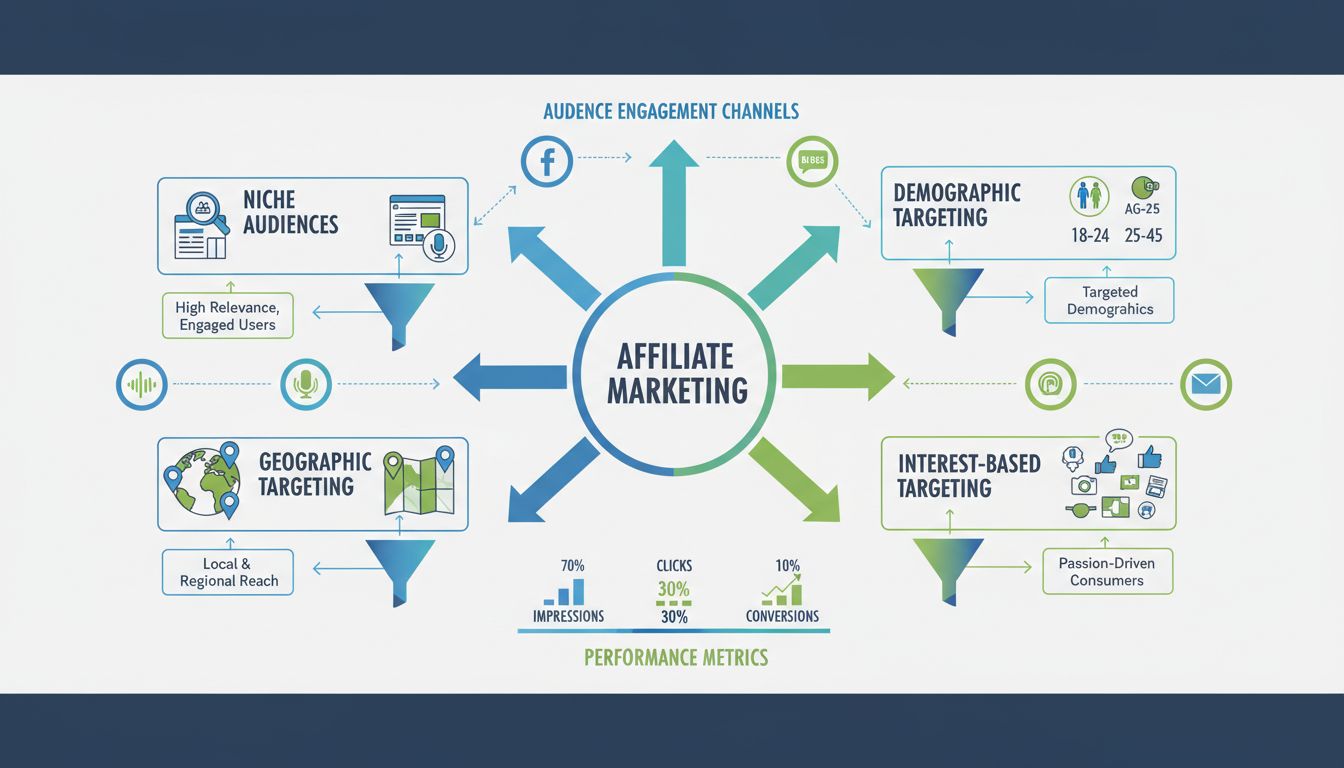
Discover how affiliate marketing enables precise audience targeting through niche networks, demographic segmentation, and performance-based strategies. Learn ad...
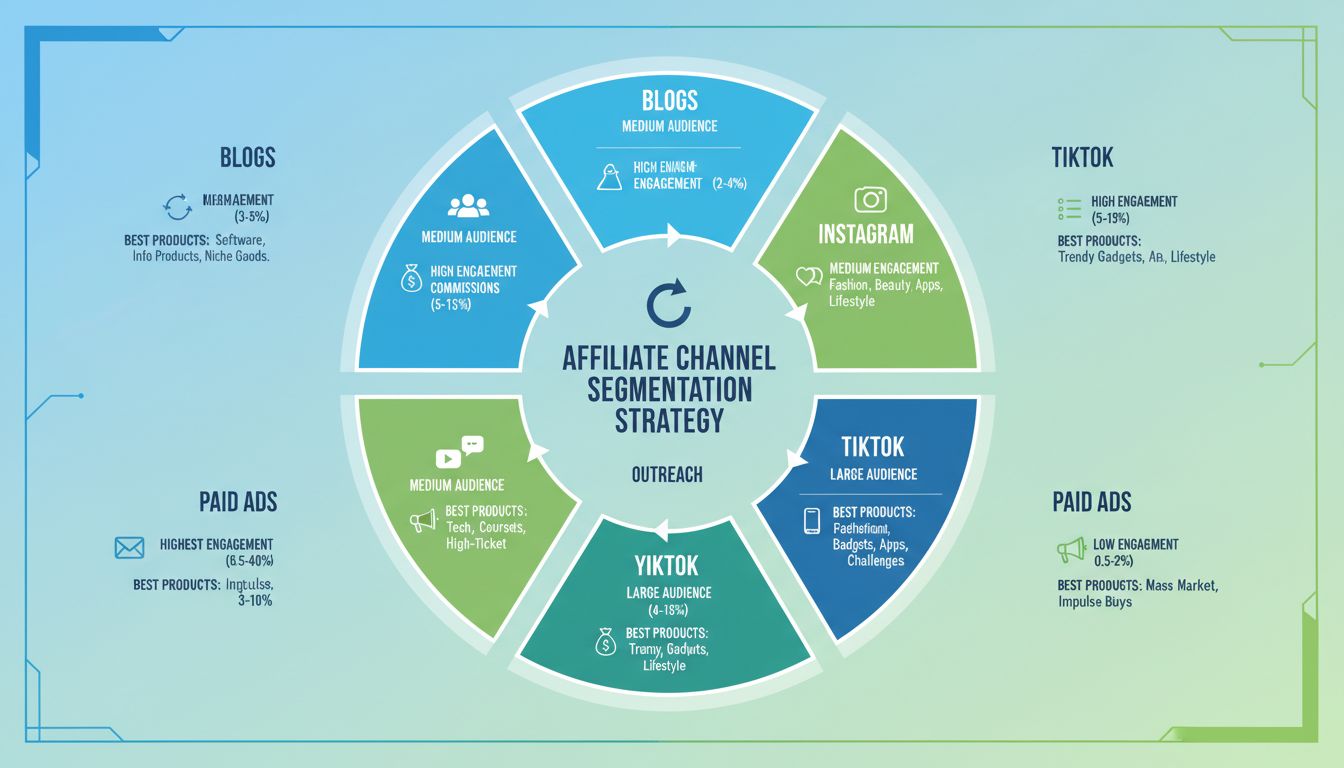
Learn why channel segmentation is critical for affiliate recruitment success. Discover how to match affiliates with the right platforms to maximize reach, engag...
Join our community of happy clients and provide excellent customer support with Post Affiliate Pro.




Cookie Consent
We use cookies to enhance your browsing experience and analyze our traffic. See our privacy policy.